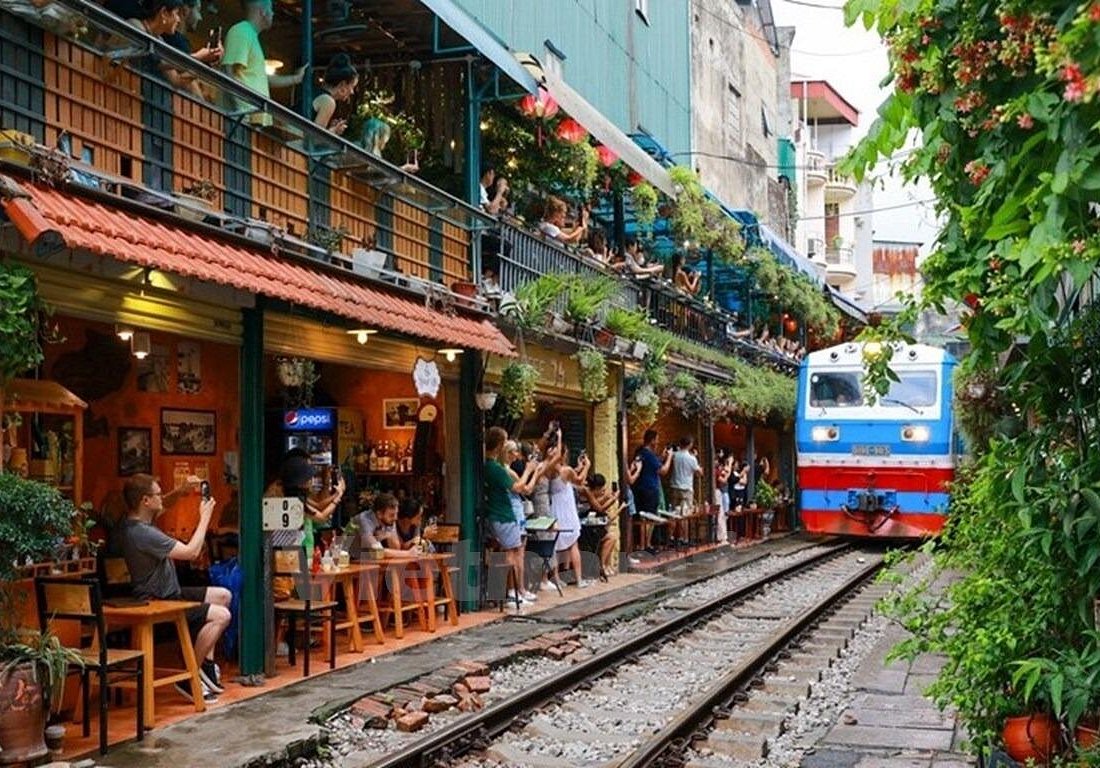
A First-Timer's Guide to Hanoi: Where Ancient Temples Meet Street Food Symphony
Hanoi enchants every visitor with its intoxicating blend of thousand-year-old temples and vibrant street life, where the aroma of pho simmering on sidewalk stoves mingled with incense from Buddhist pagodas, and where French colonial architecture creates elegant backdrops for the organized chaos of motorbike traffic. This isn't just Vietnam's political capital or a stopover to Ha Long Bay; it's the beating heart of Vietnamese culture where Confucian values meet entrepreneurial spirit, where every narrow alley tells stories of dynastic emperors and revolutionary heroes, and where the gentle rhythm of daily life has remained unchanged for centuries despite rapid modernization.
For first-time visitors, Hanoi offers something uniquely transformative: a city where authentic Vietnamese culture thrives in its purest form, where the warmth of northern hospitality creates immediate connections, and where every meal becomes a cultural education in the world's most sophisticated street food scene. At BRP Tours and Travels, we've guided countless travelers through Hanoi's temple-filled quarters and bustling markets, helping them discover why this "City of Lakes" continues to captivate visitors as Southeast Asia's most culturally rich capital.
Must-See Sights & Experiences
Old Quarter & Ancient Streets
Hanoi's Old Quarter represents Vietnam's most atmospheric neighborhood, where each street traditionally specialized in a single trade, creating Hang Bac (Silver Street), Hang Gai (Silk Street), and dozens of other craft-focused thoroughfares. Dong Xuan Market anchors the quarter with three floors of wholesale goods and authentic Vietnamese products. Bach Ma Temple provides spiritual respite amid the commercial energy, while traditional tube houses showcase unique Vietnamese architecture adapted to narrow urban lots.
Lakes & Temples of Spiritual Hanoi
Hoan Kiem Lake serves as Hanoi's spiritual center with the iconic Ngoc Son Temple connected by the red wooden The Huc Bridge. Temple of Literature (Van Mieu) honors Vietnam's first university and Confucian learning with tranquil courtyards and ancient stelae. One Pillar Pagoda represents architectural ingenuity with its unique design symbolizing a lotus blossom emerging from water. Quan Su Pagoda offers authentic Buddhist experiences in the heart of the modern city.
French Colonial Heritage
Hanoi Opera House showcases French architectural elegance with regular performances celebrating both Western and Vietnamese arts. St. Joseph's Cathedral dominates the Old Quarter with Neo-Gothic architecture reminiscent of Notre-Dame de Paris. Government buildings around Ba Dinh Square demonstrate French colonial urban planning, while tree-lined boulevards create European-style promenades perfect for evening strolls.
Revolutionary History & National Identity
Ho Chi Minh Mausoleum and Presidential Palace complex reveal Vietnam's revolutionary history and Ho Chi Minh's simple lifestyle. Vietnam Museum of Ethnology showcases the country's 54 ethnic groups with authentic artifacts and reconstructed traditional houses. Hoa Lo Prison (Hanoi Hilton) provides sobering insights into Vietnam's struggle for independence and the American War period.
Traditional Crafts & Cultural Villages
Bat Trang Ceramic Village demonstrates Vietnam's renowned pottery traditions with hands-on workshops and authentic ceramic production. Silk weaving workshops in the Old Quarter reveal traditional Vietnamese textile arts. Water puppet theaters like Thang Long preserve unique Vietnamese performing arts with stories of rural life accompanied by traditional music.
Modern Hanoi & Contemporary Culture
Hanoi's cafe culture represents a unique blend of French coffee traditions and Vietnamese social customs with ca phe sua da (iced coffee with condensed milk) served in atmospheric settings. Art galleries throughout the city showcase contemporary Vietnamese artists exploring themes of tradition and modernity. Weekend night markets demonstrate how traditional commerce adapts to modern urban life.
What (and Where) to Eat
Hanoi's culinary scene represents the pinnacle of Vietnamese cuisine, where ancient imperial recipes meet sophisticated street food culture and every meal reflects the city's position as the guardian of authentic Vietnamese flavors.
Must-try Hanoi specialties: Pho bo (beef noodle soup) served at dawn in traditional sidewalk stalls, Bun cha (grilled pork with vermicelli) made famous by Anthony Bourdain's visit, Banh mi (Vietnamese baguette sandwich) reflecting French colonial influence, Cha ca (turmeric fish with dill) unique to Hanoi, Bun bo Nam Bo (beef noodle salad) with fresh herbs, Banh cuon (steamed rice rolls) filled with pork and mushrooms, Egg coffee (ca phe trung) invented in Hanoi, and Che (sweet dessert soup) in countless varieties.
Where to find the best local food: Pho Gia Truyen serves Hanoi's most authentic pho in a tiny Old Quarter alley. Dac Kim specializes in legendary bun cha with recipes unchanged for decades. Banh Cuon Gia Truyen offers the city's best rice rolls with family recipes passed down through generations. Quan An Ngon provides upscale street food in comfortable settings with dishes from across Vietnam.
Fine dining experiences: Madame Hiên elevates traditional Vietnamese cuisine with refined presentations in French colonial settings. Home Hanoi offers innovative Vietnamese dishes with modern techniques and an elegant atmosphere. Green Tangerine combines French techniques with Vietnamese ingredients in a historic French villa.
Cultural dining venues: Experience traditional Vietnamese tea culture in bia hoi (fresh beer) corners with plastic stools and social atmosphere, join cooking classes focusing on pho preparation and Vietnamese herb combinations, or participate in food tours through local markets learning about ingredient selection and traditional cooking methods.
Unique Hanoi experiences: Street food culture with meals served on tiny plastic stools creating intimate dining experiences, traditional coffee houses with ca phe sua da and social atmosphere, bia hoi junctions where locals gather for fresh beer and conversation, and the dining experience of sharing multiple dishes with fresh herbs and dipping sauces.
Don't miss: Authentic Vietnamese breakfast culture with pho at sunrise, seasonal specialties like soft-shell turtle soup (controversial but traditional), fresh spring rolls (goi cuon) with perfect dipping sauces, and the coffee culture that represents Vietnam's unique adaptation of French café traditions.
Where to Stay
Hanoi's diverse districts offer distinct experiences from ancient charm to modern comfort:
Old Quarter (Hoan Kiem) provides historic accommodation within walking distance of major attractions, traditional markets, and authentic street food. Perfect for first-time visitors wanting cultural immersion with atmospheric narrow streets and colonial-era buildings converted to boutique hotels.
French Quarter offers elegant accommodation in restored colonial buildings with upscale dining, cultural attractions, and sophisticated atmosphere. Ideal for travelers wanting luxury with historical character and easy access to lakes and temples.
Tay Ho (West Lake) attracts visitors with lakefront views, expatriate dining options, and quieter residential atmosphere. Perfect for travelers wanting modern amenities with scenic beauty and respite from Old Quarter intensity.
Ba Dinh District provides government quarter accommodation with wide boulevards, official buildings, and cultural museums. The area offers good value with efficient transportation and proximity to Ho Chi Minh Mausoleum and major national sites.
Hai Ba Trung delivers modern accommodation with shopping centers, contemporary restaurants, and local neighborhood character. Perfect for travelers wanting authentic Vietnamese urban experience with convenient amenities.
Dong Da District offers budget-friendly accommodation with local markets, traditional restaurants, and an authentic residential atmosphere away from tourist crowds.
When to Visit Hanoi
Hanoi's subtropical climate creates distinct seasons that dramatically impact your experience:
Autumn (September-November) offers Hanoi's most pleasant weather with comfortable temperatures, low humidity, and clear skies perfect for walking tours and outdoor exploration. This is considered the best time to visit with ideal conditions for street food and cultural activities.
Spring (March-May) provides mild temperatures with occasional drizzle and blooming flowers throughout the city's parks and lakeshores. This season offers comfortable weather for sightseeing with fewer crowds than autumn.
Summer (June-August) brings hot, humid weather with frequent afternoon thunderstorms and intense heat that makes air-conditioned spaces essential. Despite the weather, summer offers the most vibrant street life and longest daylight hours.
Winter (December-February) offers cool, sometimes chilly weather with occasional drizzle and gray skies. Indoor attractions become more appealing, though this season provides an authentic local atmosphere with fewer tourists and cozy indoor dining experiences.
Cultural calendar: Tet (Vietnamese New Year, January/February) brings spectacular celebrations but many businesses close for extended periods. Mid-Autumn Festival (September/October) features lantern displays and mooncake traditions. Temple festivals occur throughout the year with traditional music and spiritual celebrations.
Travel Tips for First-Timers
Navigate Hanoi confidently with these essential insights:
- Master the street crossing technique - Hanoi's motorbike traffic requires patience and steady movement. Walk slowly and predictably; riders will navigate around you. Never stop suddenly or run.
- Learn basic Vietnamese phrases - "Xin chào" (hello), "C?m ?n" (thank you), "Xin l?i" (excuse me), and "Bao nhiêu?" (how much?) show respect for local culture and often result in better prices and warmer interactions.
- Embrace cash culture - Vietnam uses the dong (VND), and cash is essential for street food, local markets, and traditional businesses. ATMs are widely available, but carry small denominations for street vendors.
- Respect cultural norms - Vietnam is traditionally conservative, so dress modestly when visiting temples and pagodas. Remove shoes when entering homes and religious buildings, and avoid pointing feet toward altars.
- Navigate the street food scene - Choose busy stalls with high turnover for freshest food. Drink bottled water initially, but don't fear authentic local cuisine. Follow locals for the best recommendations.
- Understand the bargaining culture - Gentle negotiation is expected in markets and for services like taxi rides. Start at half the quoted price and negotiate respectfully with smiles.
- Stay connected - WiFi is available in most hotels and cafes. Consider getting a local SIM card for navigation and translation apps, especially helpful for food ordering and directions.
- Dress appropriately for weather - Hanoi's humidity requires breathable clothing. Pack layers for air-conditioned spaces and light rain gear for sudden downpours.
- Plan for traffic - Allow extra time for transportation during rush hours. Uber and Grab are reliable alternatives to traditional taxis with upfront pricing.
- Prepare for sensory overload - Hanoi assaults all senses with incredible sights, sounds, and aromas. Embrace the chaos as part of the authentic experience and stay flexible with plans.
How BRP Tours and Travels Reveals Hanoi's Timeless Soul
Hanoi's magic lies in understanding how thousand-year-old traditions continue to shape daily life in ways that aren't immediately obvious to casual visitors. Our local guides don't just show you temples and street food stalls—they help you understand the philosophical underpinnings of Vietnamese culture, from Confucian respect for elders to the Buddhist concept of balance that influences everything from urban planning to social interactions.
We create personalized experiences that balance cultural immersion with practical exploration, from dawn pho tours in authentic neighborhoods to evening temple visits when incense and chanting create mystical atmospheres. Our intimate group sizes ensure meaningful connections while our local relationships provide authentic access to Hanoi's diverse communities, from Old Quarter craftsmen to contemporary artists.
Ready to discover Hanoi's incredible depth where every street corner reveals centuries of history and every meal becomes a cultural lesson? Contact BRP Tours and Travels today to start planning your perfect Hanoi adventure that connects you with Vietnam's rich heritage and the warmth of its people.
Let BRP Tours and Travels guide you through Vietnam's cultural heart.