A First-Timer's Guide to Manila: Where Spanish Grandeur Meets Filipino Soul
Manila captivates every visitor with its extraordinary tapestry of colonial history and irrepressible Filipino spirit. Spanish stone churches stand alongside American-era buildings, traditional jeepneys navigate streets where conquistadors once walked, and the warmth of Filipino hospitality creates connections that feel like family from the first meeting. Ancient walled cities preserve centuries of history while modern districts pulse with the energy of a nation that has embraced globalization without losing its cultural identity. This isn't just the Philippines' capital; it's a city where East meets West in uniquely Filipino ways, where every neighborhood tells stories of resilience, and where the legendary Filipino smile reflects genuine joy despite historical challenges.
For first-time visitors, Manila offers something deeply enriching: a city where Spanish colonial architecture houses vibrant Filipino communities, where street food vendors serve fusion cuisine that reflects centuries of cultural exchange, and where the musicality of the Filipino language creates a soundtrack of warmth and welcome. At BRP Tours and Travels, we've guided countless travelers through Manila's historic districts and bustling markets, helping them discover why this "Pearl of the Orient" continues to charm visitors with its unique blend of influences and unshakeable optimism.
Must-See Sights & Experiences
Colonial Heritage & Intramuros
Intramuros stands as Manila's historic heart, its Spanish colonial walls enclosing centuries of history within the oldest district of the city. Fort Santiago preserves the memory of national hero Dr. José Rizal and offers peaceful gardens along the Pasig River. San Agustin Church, a UNESCO World Heritage site, showcases Spanish colonial architecture with its magnificent stone facade and historic significance as the Philippines' oldest church. Manila Cathedral represents the spiritual center of Filipino Catholicism with its beautiful dome and rich history of reconstruction after wars and earthquakes.
Modern Manila & Business Districts
Makati serves as the Philippines' financial center with gleaming skyscrapers, luxury shopping malls, and international restaurants that showcase modern Filipino prosperity. Bonifacio Global City (BGC) offers contemporary urban planning with wide sidewalks, modern architecture, and a thriving nightlife scene. Ortigas Center provides another business district with shopping complexes and entertainment venues that demonstrate Manila's economic dynamism.
Cultural Districts & Museums
Malate and Ermita preserve Manila's cultural heritage with museums, art galleries, and traditional Filipino architecture. National Museum Complex houses the country's most important artifacts, including the Spoliarium painting and archaeological treasures. Cultural Center of the Philippines showcases Filipino performing arts with world-class theater and concert performances.
Traditional Markets & Local Life
Divisoria Market creates one of Asia's largest wholesale markets with incredible bargains on everything from clothing to electronics. Quiapo Market offers traditional Filipino goods, religious items, and street food in an authentic local atmosphere. These markets reveal the commercial spirit and entrepreneurial energy that drives Filipino communities.
Waterfront & Manila Bay
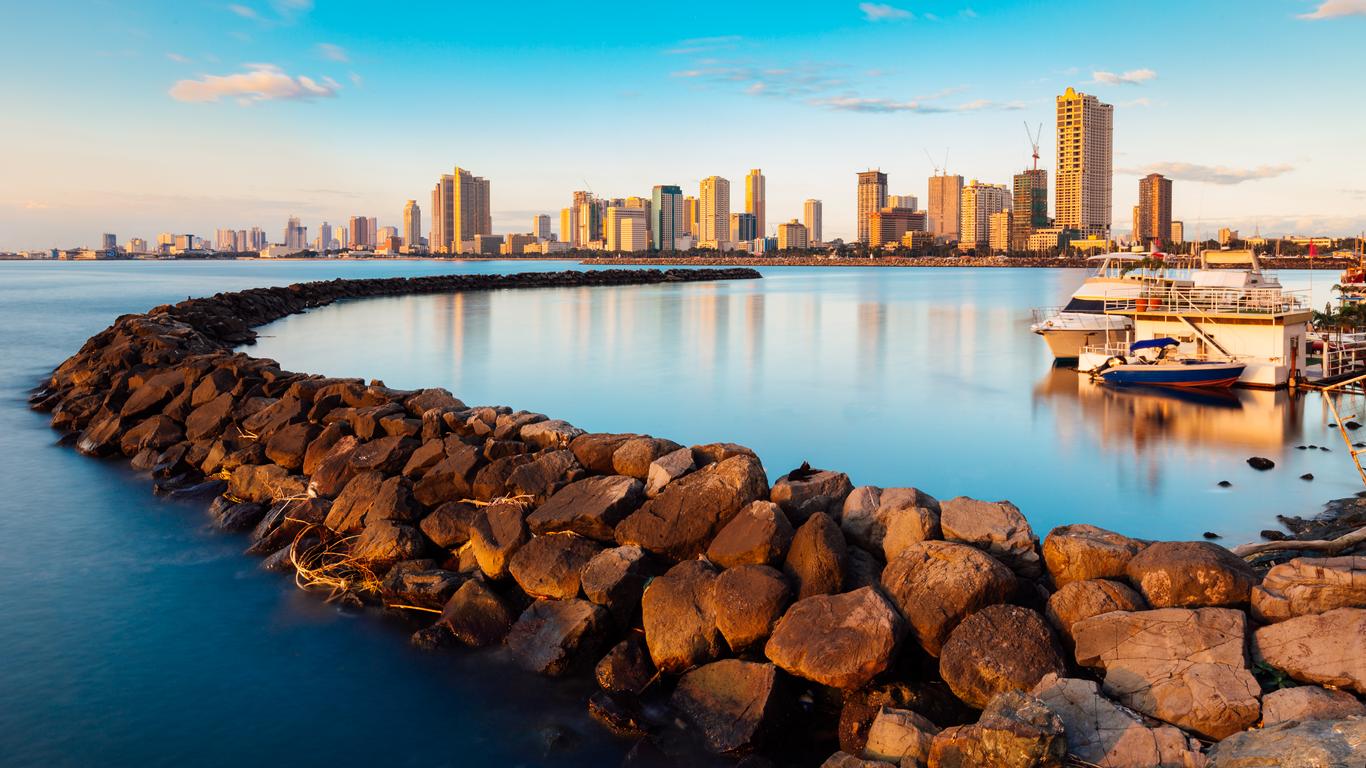
Manila Bay provides spectacular sunsets that have inspired poets and artists for generations. The baywalk offers recreational spaces, restaurants, and cultural performances along the water. Roxas Boulevard connects the bay to the city center with its palm-lined promenade and seaside dining options.
Religious & Spiritual Sites
Quiapo Church houses the Black Nazarene, one of the Philippines' most revered religious icons, drawing millions of devotees annually. Minor Basilica of San Sebastian showcases the only all-steel church in Asia with its neo-Gothic architecture. These sites reveal the deep Catholic faith that shapes Filipino culture and daily life.
What (and Where) to Eat
Manila's culinary scene represents the heart of Filipino cuisine, where Spanish colonial influences meet indigenous ingredients and Chinese techniques, creating a fusion cuisine that's uniquely Filipino.
Must-try Manila specialties: Adobo (the national dish with pork or chicken in vinegar and soy sauce), Lechon (roasted pig with crispy skin), Halo-halo (mixed shaved ice dessert), Lumpia (Filipino spring rolls), Sisig (sizzling pork dish), and Balut (duck embryo - for the adventurous).
Where to find the best local food: Aristocrat Restaurant (established 1936) serves traditional Filipino dishes in historic settings. Kamayan sa EDSA offers authentic Filipino feasts eaten with hands in traditional style. Barrio Fiesta provides regional Filipino specialties in a cultural atmosphere. Street food vendors throughout the city offer authentic flavors like isaw (grilled intestines) and fish balls.
Fine dining experiences: Locavore showcases modern Filipino cuisine with innovative techniques and local ingredients. Gallery by Chele offers contemporary interpretations of Filipino classics. Antonio's provides fine dining in elegant settings with creative Filipino fusion cuisine.
Cultural dining venues: Experience traditional Filipino breakfast culture with tapsilog (beef, rice, and eggs), join cooking classes that teach authentic techniques for preparing Filipino dishes, or participate in traditional Filipino celebrations where food plays a central role in community bonding.
Unique Manila experiences: Jeepney food tours that combine transportation with dining, traditional Filipino breakfast culture, street food adventures in authentic local markets, and the social dining experience of sharing kamayan-style meals.
Don't miss: Traditional Filipino coffee culture, seasonal specialties like bibingka (rice cake) during Christmas, tropical fruit varieties unique to the Philippines, and the dessert culture that includes countless sweet treats and refreshing beverages.
Where to Stay
Manila's diverse districts offer distinct experiences, from historic immersion to modern luxury:
Makati provides luxury accommodation with world-class shopping, international dining, and proximity to business districts. Perfect for travelers wanting modern comfort with easy access to Manila's upscale amenities.
Bonifacio Global City (BGC) offers contemporary hotels with modern urban planning, excellent restaurants, and vibrant nightlife. Ideal for travelers wanting a taste of modern Philippines with international standards.
Intramuros provides a historic atmosphere with boutique hotels in restored colonial buildings, surrounded by monuments and traditional Filipino culture. Perfect for travelers wanting cultural immersion with walking access to historic sites.
Malate/Ermita attracts budget-conscious travelers with affordable accommodation, cultural attractions, and authentic local dining. The area offers good value with easy access to museums and traditional Filipino experiences.
Manila Bay Area provides waterfront hotels with spectacular sunset views, seaside dining, and recreational activities along the bay. Great for travelers wanting scenic beauty with urban convenience.
When to Visit Manila
Manila's tropical climate creates distinct seasons that significantly impact your experience:
Dry Season (November-April) offers Manila's best weather with minimal rainfall, perfect for exploring historic sites, outdoor markets, and cultural attractions. This is peak tourist season with higher prices but ideal conditions for walking tours and outdoor activities.
Wet Season (May-October) brings afternoon showers and higher humidity, but also lush landscapes, fewer crowds, and better accommodation rates. Morning activities are usually unaffected by afternoon rain, and air conditioning is ubiquitous.
Cool Dry Season (December-February) provides the most comfortable temperatures with pleasant evenings perfect for outdoor dining and cultural events. This is considered the best time to visit with excellent weather and holiday celebrations.
Hot Dry Season (March-May) brings intense heat and humidity, making early morning and evening activities most comfortable. Hotel rates are often lower, and this period offers authentic local experiences as tourists are fewer.
Cultural calendar: Christmas season (December-January) transforms Manila with elaborate decorations and traditional celebrations. Holy Week (March/April) brings religious processions and cultural observances. Eid celebrations add cultural diversity to the city's calendar.
Travel Tips for First-Timers
Navigate Manila confidently with these essential insights:
- Learn basic Filipino phrases - "Kumusta" (hello), "Salamat" (thank you), "Pasensya na" (excuse me), and "Magkano?" (how much?) show respect for local culture and often earn warm smiles from locals who appreciate the effort.
- Master transportation options - Jeepneys offer authentic local transport but can be confusing for first-timers. Use Grab (ride-sharing app) for convenient, safe transportation. The LRT and MRT systems connect major districts efficiently.
- Embrace Filipino hospitality - Filipinos are genuinely warm and helpful. Don't be surprised by invitations to family gatherings or extended conversations with strangers who want to practice English.
- Respect religious customs - Remove hats when entering churches, dress modestly for religious sites, and be respectful during religious processions and celebrations that are central to Filipino culture.
- Stay hydrated - Manila's tropical climate and humidity can be challenging. Carry water, seek air-conditioned spaces during the hottest parts of the day, and try traditional Filipino refreshments like buko juice (coconut water).
- Carry cash - While credit cards are accepted in malls and restaurants, small vendors and traditional establishments prefer cash. ATMs are widely available throughout the city.
- Be patient with traffic - Manila's traffic can be intense, especially during rush hours. Allow extra time for transfers and embrace the opportunity to observe local life from your vehicle.
- Try the street food cautiously - Filipino street food is delicious but start with cooked items from busy stalls with high turnover. Avoid raw foods and ice from street vendors initially.
- Dress appropriately - Lightweight, breathable clothing is essential. Bring a light jacket for air-conditioned spaces, and dress modestly when visiting religious sites or traditional neighborhoods.
How BRP Tours and Travels Reveals Manila's Cultural Fusion
Manila's magic lies in understanding how different colonial influences created a uniquely Filipino identity that celebrates rather than abandons its complex history. Our local guides don't just show you historic sites—they help you understand how Spanish colonialism, American occupation, and indigenous Filipino culture blended to create the warm, resilient, and joyful society that defines modern Philippines.
We create personalized experiences that balance historical exploration with contemporary culture, from morning visits to Spanish colonial churches to evening food tours through traditional Filipino neighborhoods. Our intimate group sizes ensure meaningful connections while our local relationships provide authentic access to Filipino families and communities.
Ready to discover Manila's incredible warmth? Contact BRP Tours and Travels today to start planning your perfect Manila adventure that connects you with the heart of Filipino culture and hospitality.
Let BRP Tours and Travels guide you through the Philippines' vibrant capital.