A First-Timer's Guide to Moscow: Where Imperial Grandeur Meets Soviet Majesty
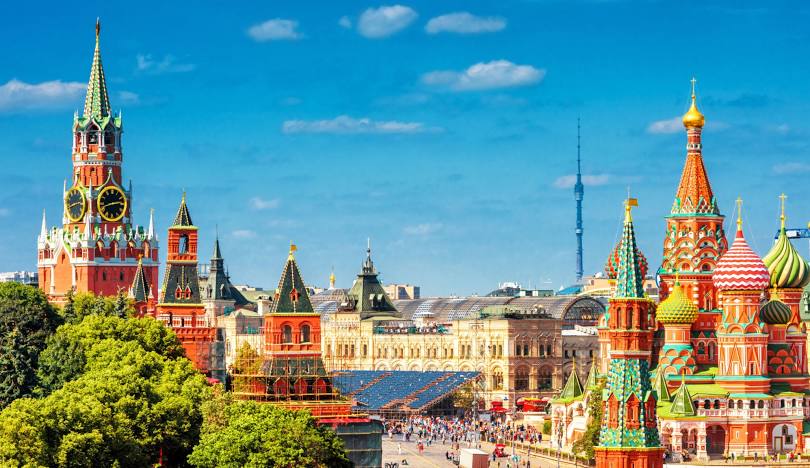
Moscow captivates every visitor with its breathtaking fusion of imperial splendor and Soviet monumentalism, where golden-domed churches rise majestically beside Stalin's towering skyscrapers, and where the melodic chimes of the Kremlin's Spasskaya Tower echo across Red Square's ancient cobblestones. This isn't just Russia's political capital or a Cold War relic; it's the beating heart of Russian civilization where tsarist palaces house world-class art collections, where underground metro stations rival European cathedrals in their ornate beauty, and where the depth of Russian soul (dusha) reveals itself through passionate ballet performances, literary traditions, and the profound warmth hidden beneath Moscow's winter severity.
For first-time visitors, Moscow offers something uniquely transformative: a city where world-class culture reaches artistic heights unmatched anywhere else, where the resilience of Russian history creates profound emotional connections, and where the legendary Russian hospitality emerges once initial formalities dissolve into genuine friendship. At BRP Tours and Travels, we've guided countless travelers through Moscow's gilded palaces and revolutionary landmarks, helping them discover why this "Third Rome" continues to inspire visitors as one of the world's most culturally magnificent capitals.
Must-See Sights & Experiences
Red Square & Kremlin Complex
Red Square stands as Moscow's magnificent heart, where St. Basil's Cathedral displays its iconic onion domes in a riot of colors that have symbolized Russia for centuries. The Kremlin houses the seat of Russian power with Cathedral Square containing coronation churches of Russian tsars. Lenin's Mausoleum preserves Soviet history, while GUM Department Store represents pre-revolutionary luxury shopping in stunning 19th-century architecture. Spasskaya Tower chimes mark Moscow time with melodies that have echoed across Red Square for generations.
Imperial Palaces & Tsarist Grandeur
Tretyakov Gallery houses the world's finest collection of Russian art from medieval icons to avant-garde masterpieces. Pushkin Museum displays European art in imperial palace settings. The Armoury Chamber within the Kremlin showcases tsarist treasures including Fabergé eggs and royal regalia. Kolomenskoye Palace offers insight into Russian wooden architecture and royal country life with reconstructed 17th-century buildings.
Soviet Architecture & Revolutionary History
Stalin's Seven Sisters skyscrapers define Moscow's skyline with their imposing Gothic Revival architecture symbolizing Soviet ambition. VDNKh (Exhibition of Achievements) showcases Soviet-era pavilions celebrating each republic's contributions to the USSR. Fallen Monument Park displays removed Soviet statues in thought-provoking arrangements. Lubyanka Square and surrounding areas reveal the complex history of Soviet political power.
Moscow Metro & Underground Palaces
Moscow Metro represents the world's most beautiful subway system with stations like Mayakovskaya, Komsomolskaya, and Novoslobodskaya featuring marble columns, crystal chandeliers, and socialist realist mosaics. Each station tells stories of Soviet ideals through artistic design that transforms daily commuting into cultural experiences. The metro system itself demonstrates Soviet engineering prowess and artistic vision.
Religious Heritage & Orthodox Culture
Cathedral of Christ the Savior represents Russian Orthodox revival with its recent reconstruction and golden domes dominating the Moscow skyline. Novodevichy Convent preserves medieval Russian architecture while serving as a functioning monastery. Danilov Monastery offers authentic Orthodox spiritual experiences. Church of the Ascension in Kolomenskoye showcases unique Russian tent-like architecture that influenced church design for centuries.
Cultural Institutions & Performing Arts
Bolshoi Theatre stages world-renowned ballet and opera performances in settings that epitomize Russian cultural achievement. Mariinsky Theatre (Moscow branch) continues traditions of Russian performing arts. Conservatory concerts feature Russian classical music in intimate settings. Stanislavsky Theatre preserves the method acting techniques that revolutionized world theatre.
What (and Where) to Eat
Moscow's culinary scene represents the pinnacle of Russian cuisine enhanced by Soviet-era influences and contemporary innovation, where every meal reflects the country's vast geographic diversity and deep cultural traditions surrounding hospitality and comfort.
Must-try Moscow specialties: Borscht (beet soup) served with sour cream and fresh dill, Beef Stroganoff in its authentic Russian preparation, Blini (thin pancakes) with caviar, sour cream, or jam, Solyanka (hearty soup) with pickled vegetables and meat, Pelmeni (dumplings) considered Russia's national dish, Olivier salad (Russian potato salad) traditional for celebrations, Caviar from Russian sturgeon served with traditional accompaniments, and Syrniki (cottage cheese pancakes) for breakfast.
Where to find the best local food: Café Pushkin serves refined Russian cuisine in 19th-century aristocratic settings with multiple floors offering different dining experiences. White Rabbit provides modern Russian cuisine with panoramic city views and innovative presentations. Dr. Zhivago offers traditional Russian dishes in atmospheric settings inspired by classic literature. Turandot delivers opulent dining experiences in palace-like interiors with both Russian and international cuisine.
Fine dining experiences: Savva combines Russian ingredients with French techniques in sophisticated presentations. Bolshoi Restaurant offers pre-theatre dining with refined Russian cuisine. Sixty provides contemporary dining with stunning city views from the 62nd floor of Federation Tower.
Cultural dining venues: Experience traditional Russian tea culture in historic tea houses with samovar service and traditional sweets, join cooking classes focusing on borscht preparation and dumpling making, or participate in food tours through local markets learning about Russian ingredient traditions and preservation methods.
Unique Moscow experiences: Soviet-era cafeterias (stolovaya) offering authentic proletarian dining experiences, traditional Russian bathhouses (banya) with associated dining traditions, aristocratic dining clubs recreating pre-revolutionary luxury, and the social dining experience of sharing zakuski (appetizers) with vodka toasts.
Don't miss: Authentic Russian breakfast culture with kasha (porridge) and tvorog (cottage cheese), seasonal specialties like summer okroshka (cold soup) and winter schi (cabbage soup), Russian tea culture with jam and sugar cubes, and the vodka culture that represents Russian social bonding traditions.
Where to Stay
Moscow's diverse districts offer distinct experiences from imperial grandeur to Soviet monumentalism:
Red Square/Kitai-Gorod provides historic accommodation within walking distance of major attractions with luxury hotels in buildings that have witnessed Russian history. Perfect for first-time visitors wanting maximum cultural immersion with premium amenities and iconic location.
Arbat District offers atmospheric accommodation along Moscow's most famous pedestrian street with restaurants, souvenir shops, and cultural attractions. The area provides excellent value with authentic Moscow character and easy access to metro stations.
Tverskaya District attracts visitors with central location near theatres, restaurants, and shopping with both Soviet-era hotels and modern international chains. Ideal for travelers wanting convenient access to cultural venues and nightlife.
Zamoskvorechye provides authentic Moscow neighborhood experience with art galleries, traditional restaurants, and residential character across the river from the Kremlin. Perfect for travelers wanting cultural depth with beautiful views of historic Moscow.
Sokolniki offers budget-friendly accommodation with park access, local markets, and authentic Russian residential atmosphere. The area provides good value with efficient metro connections to central attractions.
City Center (White House area) delivers modern accommodation with business facilities, upscale dining, and proximity to government buildings representing contemporary Russian power.
When to Visit Moscow
Moscow's continental climate creates dramatic seasonal variations that significantly impact your experience:
Summer (June-August) offers Moscow's most pleasant weather with long daylight hours (white nights), outdoor festivals, and comfortable temperatures for walking and sightseeing. This is peak tourist season with higher prices but ideal conditions for exploring parks and outdoor attractions.
Autumn (September-November) provides comfortable temperatures with beautiful fall colors in Moscow's parks and fewer crowds than summer. This season offers excellent weather for museums and cultural activities with crisp, clear days perfect for photography.
Winter (December-February) brings Moscow's magical snow-covered beauty with Christmas markets, ice sculptures, and the authentic Russian winter experience. While temperatures drop well below freezing, heated indoor attractions provide comfort, and the city's winter festivals create unforgettable atmospheres.
Spring (March-May) offers gradually warming weather with blooming flowers and longer daylight hours. This season provides good value with fewer tourists and comfortable temperatures for both indoor and outdoor activities.
Cultural calendar: Moscow Winter Festival (December-January) features ice sculptures and winter performances. Maslenitsa (February/March) celebrates the end of winter with traditional pancake festivities. Victory Day (May 9) brings spectacular military parades and national celebrations commemorating WWII victory.
Travel Tips for First-Timers
Navigate Moscow confidently with these essential insights:
- Master the metro system - Moscow's metro is efficient and beautiful, but signs are primarily in Cyrillic. Download metro apps with English translations and study station names in advance. The Troika card provides convenient payment for all public transport.
- Learn basic Russian phrases - "Zdravstvuyte" (hello), "Spasibo" (thank you), "Izvinite" (excuse me), and "Skolko eto stoit?" (how much does it cost?) show respect for local culture. Many younger Russians speak English, but older generations may not.
- Embrace cash culture - Russia uses the ruble (RUB), and cash is essential for many transactions, especially in traditional restaurants and markets. ATMs are widely available, but notify your bank of international travel plans.
- Respect cultural norms - Russians value formality and respect. Dress conservatively when visiting churches, remove hats indoors, and avoid loud public behavior. Initial interactions may seem formal, but warmth emerges once trust is established.
- Navigate the bureaucracy - Tourism visa requirements are strict, so ensure proper documentation. Registration with local authorities is required for stays over 7 days. Hotels typically handle this automatically.
- Understand the drinking culture - Vodka toasts are important social rituals. If offered, participate respectfully or politely decline. Never refuse a toast, as it's considered disrespectful to the host.
- Stay connected - WiFi is available in most hotels and cafes. Consider getting a local SIM card for navigation and translation apps, especially helpful for reading Cyrillic signs and menus.
- Dress for weather extremes - Moscow's winters are harsh, requiring serious cold weather gear. Summers can be surprisingly warm. Layer clothing and invest in quality winter boots if visiting during cold months.
- Plan for cultural events - Ballet and opera tickets should be booked in advance, especially for Bolshoi performances. Dress codes are formal for evening performances at major venues.
- Prepare for scale - Moscow is massive, so plan transportation between attractions. Allow extra time for distances and don't try to see everything in a short visit.
How BRP Tours and Travels Reveals Moscow's Imperial Soul
Moscow's magic lies in understanding how layers of Russian history—from medieval principality to tsarist empire to Soviet superpower—continue to shape the city's identity and the Russian character. Our local guides don't just show you Red Square and the Kremlin—they help you understand the philosophical and spiritual foundations of Russian civilization, from Orthodox mysticism to Soviet idealism to contemporary Russian pride.
We create personalized experiences that balance cultural immersion with historical education, from private Kremlin tours revealing tsarist secrets to evening ballet performances that showcase Russian artistic genius. Our intimate group sizes ensure meaningful connections while our local relationships provide authentic access to Moscow's diverse communities, from Bolshoi artists to traditional craftsmen.
Ready to discover Moscow's incredible depth where every golden dome and Soviet monument tells stories of human ambition, suffering, and triumph? Contact BRP Tours and Travels today to start planning your perfect Moscow adventure that connects you with the profound soul of Russian civilization.
Let BRP Tours and Travels guide you through Russia's magnificent capital.