A First-Timer's Guide to New Delhi: Where Ancient Empires Meet Modern India
New Delhi pulses with the rhythm of a thousand years of history, where Mughal monuments stand alongside British colonial architecture, and ancient traditions thrive in one of the world's most dynamic modern cities. This isn't just India's capital; it's a living museum where emperors once ruled, where street food vendors serve recipes passed down through generations, and where the chaos and beauty of India reveal themselves in their most authentic form.
For first-time visitors, Delhi offers something profoundly transformative: a place where every corner tells a story, where the aroma of spices mingles with the sound of prayers, and where the energy of 30 million people creates an urban symphony unlike anywhere else on Earth. At BRP Tours and Travels, we've guided countless travelers through Delhi's labyrinthine streets and magnificent monuments, helping them discover why this city continues to captivate hearts and challenge perceptions.
Must-See Sights & Experiences
Historic Monuments & Mughal Legacy
The Red Fort stands as Delhi's most iconic symbol, its massive red sandstone walls enclosing palaces that once housed Mughal emperors. Humayun's Tomb, a UNESCO World Heritage site, represents the architectural evolution that would culminate in the Taj Mahal. Qutub Minar towers over the city as India's tallest brick minaret, surrounded by ruins that span centuries of Islamic rule. Each monument tells stories of empires that shaped not just Delhi, but the entire subcontinent.
Old Delhi's Timeless Bazaars
Chandni Chowk, one of India's oldest markets, offers a sensory overload of silk merchants, spice sellers, and traditional craftsmen. The narrow lanes hide centuries-old havelis, ancient temples, and the aromatic chaos of Paranthe Wali Gali. Jama Masjid, India's largest mosque, dominates the skyline with its magnificent domes and minarets, while the surrounding streets pulse with the authentic rhythm of traditional Delhi life.
New Delhi's Imperial Grandeur
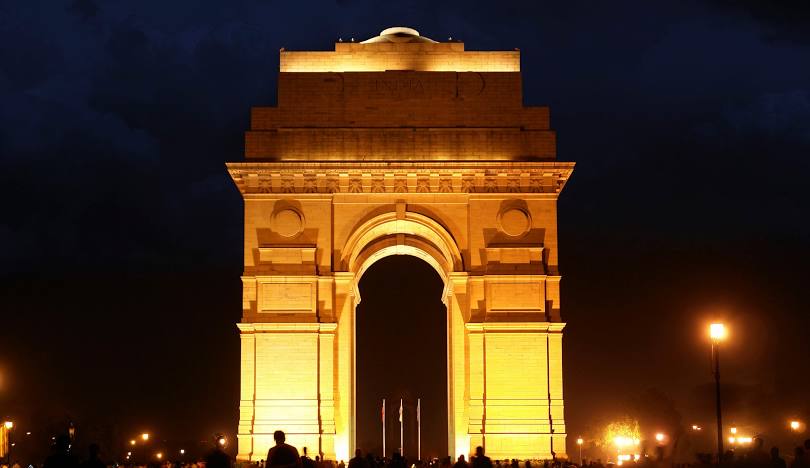
Lutyens' Delhi showcases British colonial architecture at its most ambitious. India Gate honors fallen soldiers with its imposing arch, while Rashtrapati Bhavan (Presidential Palace) represents the seat of Indian democracy. The tree-lined avenues of Connaught Place create a perfect circle of Georgian architecture, offering shopping and dining in one of Asia's most expensive retail districts.
Sacred Sites & Spiritual Experiences
Lotus Temple's contemporary architecture welcomes visitors of all faiths to its serene meditation halls. Akshardham Temple complex combines ancient Hindu traditions with modern technology, creating an immersive cultural experience. Gurudwara Bangla Sahib offers insights into Sikh traditions, while the peaceful gardens of Raj Ghat honor Mahatma Gandhi's memory at his cremation site.
Gardens & Green Spaces
Lodhi Gardens combines 15th-century tombs with manicured lawns, creating Delhi's most popular recreational space. Nehru Park and Buddha Jayanti Park provide peaceful retreats from urban intensity, while the Ridge area preserves Delhi's original forest ecosystem with ancient trees and wildlife.
What (and Where) to Eat
Delhi's culinary scene represents the heart of North Indian cuisine, where Mughlai richness meets Punjabi robustness and street food reaches artistic heights.
Must-try Delhi specialties: Butter Chicken and Dal Makhani from Moti Mahal (birthplace of these dishes), Chole Bhature (spicy chickpeas with fried bread), Paranthas from Paranthe Wali Gali, Kebabs from Karim's near Jama Masjid, Chaat (savory snacks) from Bengali Market, and Kulfi (traditional ice cream) from Kuremal Mohan Lal.
Where to find the best local food: Karim's (established 1913) serves legendary Mughlai cuisine in Old Delhi's atmospheric lanes. Paranthe Wali Gali offers Delhi's most famous stuffed paranthas. Bengali Market and Chandi Chowk provide authentic street food experiences. Khan Chacha in Khan Market serves Delhi's best kebab rolls.
Fine dining experiences: Indian Accent elevates traditional Indian cuisine with contemporary techniques. Dum Pukht specializes in slow-cooked Awadhi cuisine in elegant Mughal-inspired settings. Varq offers modern Indian cuisine with artistic presentation, while Bukhara serves legendary Dal Bukhara and tandoor preparations.
Cultural dining venues: Experience traditional thali meals at Rajasthani and South Indian restaurants. Join cooking classes that teach authentic recipes using traditional spices and techniques. Visit spice markets like Khari Baoli to understand the ingredients that make Delhi's cuisine so distinctive.
Don't miss: Lassi from Amritsari Lassi shops, traditional sweets from Ghantewala (Delhi's oldest sweet shop), and the tea culture that permeates every neighborhood through countless chai wallahs.
Where to Stay
Delhi's diverse neighborhoods offer distinct experiences, from heritage luxury to modern convenience:
Lutyens' Delhi provides elegant accommodation in the heart of New Delhi with luxury hotels like The Imperial and The Oberoi, surrounded by government buildings and diplomatic enclaves. Perfect for travelers wanting refined comfort with easy access to major monuments.
Connaught Place offers central location with mid-range and luxury options, easy metro access, and walking distance to shopping and dining. Ideal for first-time visitors wanting to be at the center of modern Delhi's action.
Paharganj attracts budget travelers with backpacker hostels, budget hotels, and easy access to New Delhi Railway Station. The area offers authentic street food and local shopping, though it can be overwhelming for some visitors.
Karol Bagh provides mid-range accommodation with excellent shopping opportunities, good connectivity, and a more local neighborhood feel. Great for travelers wanting comfort without paying premium prices.
Aerocity near the airport offers modern luxury hotels perfect for business travelers or those with early flights. The area provides contemporary amenities but less cultural immersion.
When to Visit Delhi
Delhi's climate creates distinct seasons that dramatically impact your experience:
Winter (October-March) offers the best weather with pleasant temperatures perfect for sightseeing, outdoor activities, and exploring markets. This is peak tourist season with clear skies and comfortable conditions for monument visits.
Summer (April-June) brings intense heat that can reach 45°C (113°F), making outdoor activities challenging. Early morning and evening visits are essential, but hotel rates are lowest during this period.
Monsoon (July-September) provides relief from heat but brings humidity and occasional flooding. The rain transforms the city's gardens but can disrupt outdoor plans.
Shoulder Months (October-November, February-March) offer excellent weather with fewer crowds and moderate prices. These months provide the best balance of comfortable conditions and value.
Cultural calendar: Diwali (October/November) transforms Delhi with lights and celebrations. Holi (March) brings colorful spring festivities. Dussehra (September/October) features elaborate celebrations and traditional performances.
Travel Tips for First-Timers
Navigate Delhi confidently with these essential insights:
- Dress modestly when visiting religious sites—cover shoulders and remove shoes at temples and mosques. Carry a scarf or shawl for easy coverage.
- Use official transportation like pre-paid taxis, Uber, or the excellent Delhi Metro system. Avoid unlicensed taxis and negotiate auto-rickshaw fares in advance.
- Stay hydrated but stick to bottled water. Delhi's tap water isn't safe for visitors. Avoid ice in drinks and raw vegetables at street stalls initially.
- Learn basic Hindi phrases—"Namaste" (hello), "Dhanyawad" (thank you), "Kitna" (how much), and "Maaf kijiye" (excuse me) open doors and hearts.
- Carry cash for street vendors, auto-rickshaws, and small purchases. Many places accept cards, but cash is preferred for tips and local transportation.
- Be patient with traffic and crowds. Delhi's energy can be overwhelming, but embracing the chaos leads to authentic experiences.
- Respect local customs during religious festivals and ceremonies. Photography may be restricted in some areas, and modest behavior is always appreciated.
- Choose reputable tour operators for day trips to Agra or other nearby destinations. Verify credentials and read reviews before booking.
- Bargain respectfully in markets but understand that fair prices support local communities. Don't haggle over small amounts that seem insignificant to you.
How BRP Tours and Travels Reveals Delhi's Living History
Delhi's magic lies in understanding how layers of history create today's vibrant metropolis and how ancient traditions adapt to modern life. Our local guides don't just show you monuments—they help you understand the stories, struggles, and triumphs that make Delhi the heart of India.
We create personalized experiences that balance historical exploration with cultural immersion, from sunrise visits to the Red Fort to evening food walks through Old Delhi's hidden lanes. Our intimate group sizes ensure meaningful connections while our local relationships provide authentic access to Delhi's diverse communities.
Ready to discover Delhi's incredible complexity? Contact BRP Tours and Travels today to start planning your perfect Delhi adventure that connects you with India's rich heritage and dynamic present.
Let BRP Tours and Travels guide you through India's magnificent capital.